Korea Pharmacy & Hospital Guide for Visitors
Updated
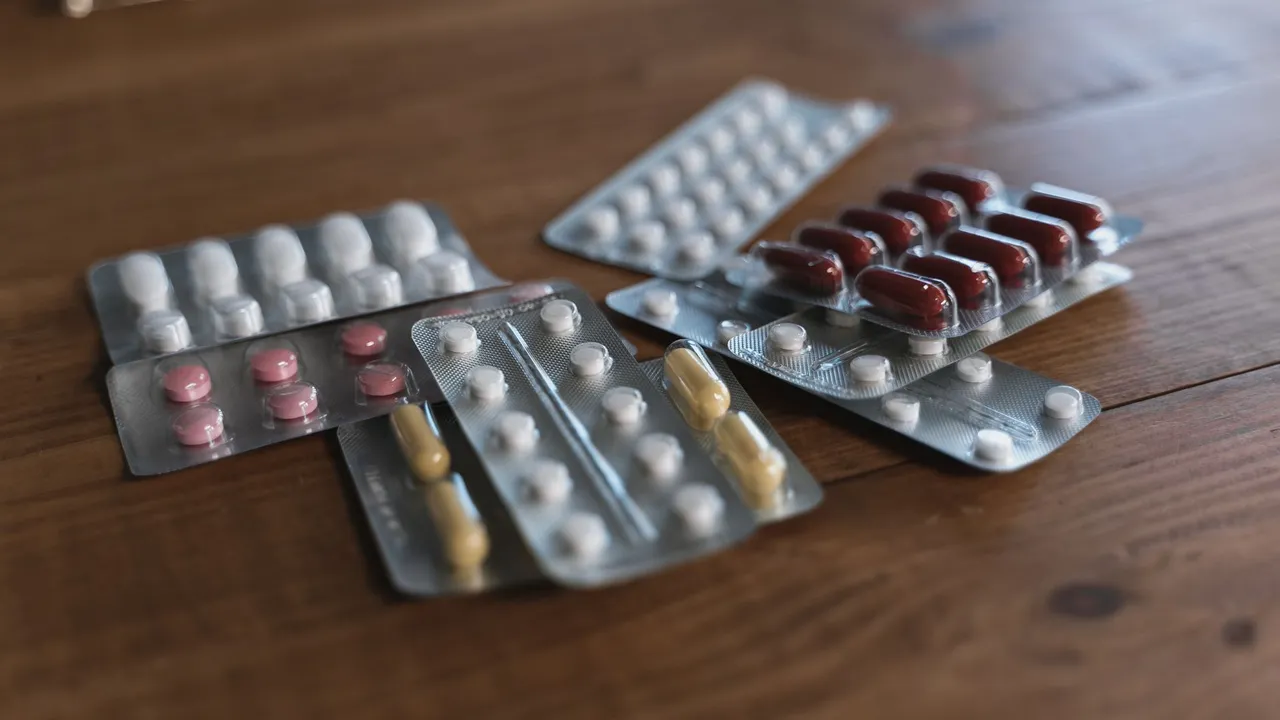
Photo by Tima Miroshnichenko on Pexels
For a cold, a headache or an upset stomach, go to a pharmacy (yakguk, 약국) and describe your symptoms to the pharmacist. The table below shows when a clinic, a hospital or an ambulance is the better next step. This guide is general information, not medical advice; ask a pharmacist or doctor about your own situation.
Which place fits your problem
Korea separates diagnosis from dispensing: the doctor diagnoses and the pharmacist supplies the medicine. Korea’s slogan for this is “to the doctor for diagnosis and to the pharmacist for medicine.” Use the table to pick where to start.
| Your problem | Where to go | What to know |
|---|---|---|
| Mild cold, headache or stomach upset, during the day | Pharmacy (yakguk) | You do not have to buy anything to ask the pharmacist for advice. Digestive medicine and pain relievers can be bought without a prescription. |
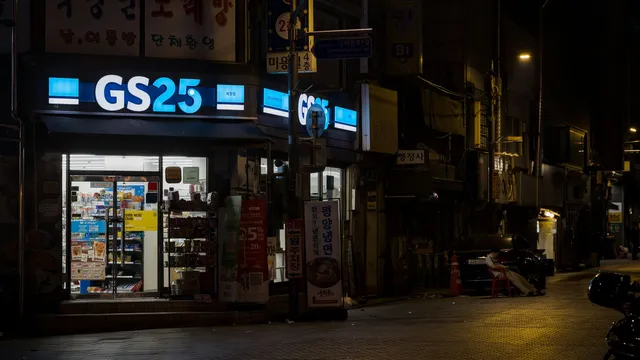
| Same problem, but pharmacies have closed | Public late-night pharmacy, or a convenience store | Hours for late-night pharmacies are in the open-pharmacy section below. Convenience stores sell a short list of basic medicines. |
| You need a prescription-only medicine | Clinic, then a pharmacy | A prescription-only drug is sold at a pharmacy only with a doctor’s prescription. |
| Minor illness such as flu or indigestion | Clinic | A minor illness may be treated at a clinic. An illness that persists and needs a thorough exam may call for a hospital. |
| You need a specialist or a long exam | Tertiary hospital, which generally requires a clinic referral | Without a referral, higher initial costs can apply. Larger hospitals run international health centers for visitors. |
| Your child is sick at night or on a holiday | Moonlight Children’s Hospital | State-designated facilities treat pediatric patients at night and on holidays. |
| Chest pain, trouble breathing, loss of consciousness, heavy bleeding, major trauma | Emergency room, or 119 for an ambulance | Go directly; no clinic referral or pharmacy visit comes first. |
| You are not sure where to go, or need an interpreter | 1330 Korea Travel Helpline (non-urgent) | See the phone-line table below. |
Buying cold medicine at a pharmacy
Walk into a pharmacy, describe the symptom, and the pharmacist can suggest a medicine. If you do not speak Korean, use a translation app (see the eSIM and SIM guide for mobile data) to describe what hurts and any allergies, or show a photo of the medicine you want. Even without an exact ingredient match, a pharmacist can usually suggest a local alternative. A pharmacy in an area popular with foreign visitors may have a “Language assistance available” sign at the entrance.
A medicine the pharmacist prepares on a weekday evening (from 18:00), a weekend or a public holiday carries a 30 percent surcharge, per Hanam city’s English page.
Convenience-store medicine
When pharmacies are closed, 24-hour convenience stores sell a short list of basic medicines: fever-reducing painkillers, cold remedies, digestive aids and pain-relief patches. The system began in November 2012 for nights and public holidays. Of 13 approved items, 11 were actually on sale as of June 2026. Convenience-store purchases come without pharmacist consultation, so see a clinic if symptoms last.
Bringing your own medicine into Korea
Carry medicine in its original packaging and be ready to show it is for your own use. The Ministry of Foreign Affairs’ travel notice (June 2025) sets the rule for ordinary, non-narcotic medicine:
- Proof of personal use, for example a prescription, a medical certificate, or the pharmacy label on the packaging.
- Quantity: a maximum of 6 bottles or a three-month supply.
- Border control may also ask for a receipt or other proof that the medicine was bought lawfully.
Medicines with a narcotic or psychotropic ingredient need advance approval from the Ministry of Food and Drug Safety (MFDS), whatever your nationality. Prescription or over-the-counter status abroad does not change that. One example is dextromethorphan, an ingredient in some versions of the US cold medicine DayQuil; Korea classes it as a psychotropic substance.
To apply for a controlled medicine:
- Read the ingredient list and check each active ingredient against Korea’s controlled-substance list.
- Apply online through the MFDS “Drug Safety Korea” (Nedrug) site, under “Permit to Bring in Narcotics for Self-Treatment.” Online applications have been open since December 27, 2024; the application itself runs in the Korean version of the site, with English field translations.
- Supporting documents may include a copy of your passport, documents about your stay, and a valid prescription with medical documentation. Extra documents may be requested.
- Apply well before you travel. MFDS guidance has generally advised up to 10 business days for review.
Finding an open pharmacy at night or on a holiday
Two sites find open pharmacies. The Korean Pharmaceutical Association’s “Huil Jikimi Yakguk” (holiday guard pharmacy) site, pharm114.or.kr, shows which pharmacies are open right now, filtered by region. The National Emergency Medical Center’s E-gen site, e-gen.or.kr, covers hospitals, pharmacies and emergency centers (English available).
As of March 2026, 240 pharmacies were designated as public late-night pharmacies, each open for at least three hours somewhere between 8 p.m. and 1 a.m. Hours differ by region (Seoul’s 39 stores: 10 p.m. to 1 a.m.), so confirm before you go. Seoul’s stores can be found through Seoul’s government website and the Smart Seoul Map. On your first day, save the details of a late-night or holiday pharmacy near your accommodation. For map apps, see the Naver Map and Kakao Map guide.
Emergency and helpline numbers
Call 119 for a medical emergency. The other numbers are for information and interpretation. Details as of November 2026:
| Number | Use | Languages and hours |
|---|---|---|
| 119 | Ambulance and fire; medical emergencies | If you do not speak Korean, say “English please” or “Interpreter please” when the call connects and the operator brings in an interpreter (Visit Korea). |
| 1330 Korea Travel Helpline | Travel questions and interpretation for non-life-threatening situations | Korean, English, Japanese and Chinese 24/7; Russian, Vietnamese, Thai and Malay 08:00-19:00 (Korea Tourism Organization, KTO). |
| 1345 Immigration Contact Center | Help for foreigners finding services; the route to the Korea Disease Control and Prevention Agency (KDCA) call center for foreign callers | 09:00-22:00; English listed for 09:00-18:00 (KDCA). |
| 1339 KDCA call center | Disease information and infectious-disease reporting | 24/7; for foreign callers the KDCA page lists 1345 (KDCA). |
Seeing a doctor as a visitor
Tertiary hospitals generally require a referral from a clinic or smaller hospital; exceptions include emergencies, childbirth, dental care, rehabilitation and family medicine.
At a Korean clinic the usual order is:
- Hand over your insurance card or ID at reception and wait for your name to be called.
- Describe your symptoms to the doctor.
- Pay the fee.
- Take the prescription to a nearby pharmacy.
Payment is at the institution’s administrative office, and most accept credit cards. Fees vary by insurance status. Some hospitals accept overseas health insurance, but you pay first and then claim from your insurer, and many institutions issue bills in English.
Many of Korea’s large hospitals run an International Health Care Center with interpreters for reservations, treatment and follow-up. International patients can go to these centers directly, at a higher bill than a referred patient. The centers at Seoul Asan Medical Center and Severance Hospital run Monday to Friday and are closed on weekends and public holidays.
Symptom phrases to show or say
Show the table to a pharmacist or clinic receptionist. The Hangul is added so you can point to it.
| Say this | Means |
|---|---|
| yakguk (약국) | pharmacy |
| jeungsangi mwoyeyo (증상이 뭐예요?) | What are your symptoms? (a question you may hear) |
| gamgi geollyeosseoyo (감기 걸렸어요) | I have a cold |
| yeollayo (열나요) | I have a fever |
| konmul nayo (콧물 나요) | I have a runny nose |
| gichimhaeyo (기침해요) | I have a cough |
| mok apayo (목 아파요) | I have a sore throat |
Before you fly
- Check the active ingredients of every medicine you pack against Korea’s controlled-substance rules; apply to MFDS early if one applies.
- Keep medicine in its original packaging with a prescription, medical certificate or pharmacy label.
- Keep the receipt for medicine bought abroad; border control may ask for it.
- Save the details of a late-night or holiday pharmacy near your accommodation.
- Save 119 for emergencies and 1330 for non-urgent help.