Eating Alone in Korea: Honbap Survey Data and BBQ Rules
Updated
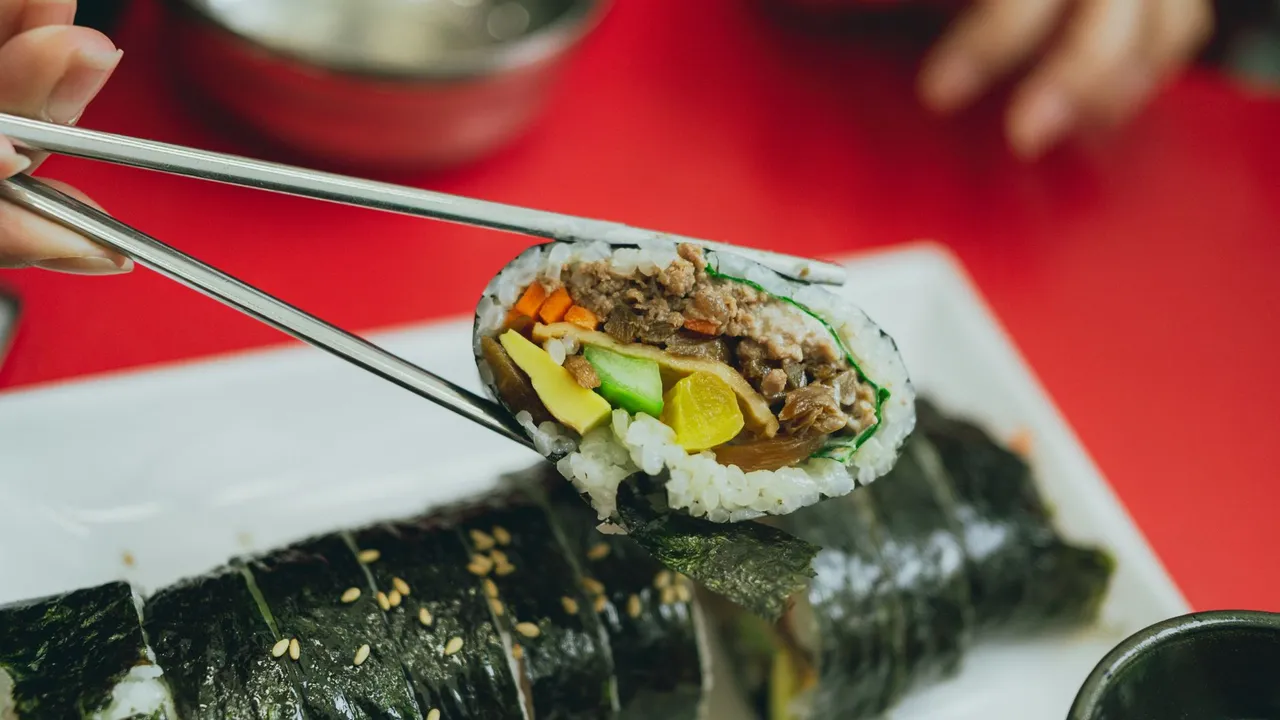
Photo by Theodore Nguyen on Pexels
Eating alone (honbap, 혼밥) is common in Korea, and as of September 2025 many restaurants still refuse solo diners or want a two-serving order.
How common is eating alone in Korea?
Single-person households passed 10 million for the first time in late August 2025, making up 42% of all households (Ministry of the Interior and Safety data, September 2025). In Statistics Korea’s 2024 survey of 25,000 household members aged 10 and over, nearly 27% ate lunch alone and 25.7% ate dinner alone; the share eating each of the three daily meals alone has risen by 1.4 to 2.9 percentage points since 2019.
Honbap is also a lifestyle word, not only a statistic. It conveys visiting a restaurant or bar alone and relishing the food without worrying how you look, and it gained popularity among Koreans in their 20s and 30s. As of April 2025, honbap carries little stigma in Korea. A survey by the Korean Society of Consumer Policy and Education of 377 Seoul residents aged 20 to 59 found 32% ate alone by choice, for the food, a sense of freedom or economic convenience, while 19% did so involuntarily and without motivation.
Where do people eat alone? What a 2023 survey found
Fast food restaurants were the most common answer. Korea Agro-Fisheries & Food Trade Corporation survey, March 2023, 1,267 adults asked about restaurants where they have dined alone:
| Restaurant type | Share of respondents |
|---|---|
| Fast food restaurants | 18.6% |
| Korean cuisine specialty restaurants | 14.3% |
| Chinese cuisine specialty restaurants | 12.6% |
| Other casual eateries | 12.5% |
| Workplace cafeterias | 10.4% |
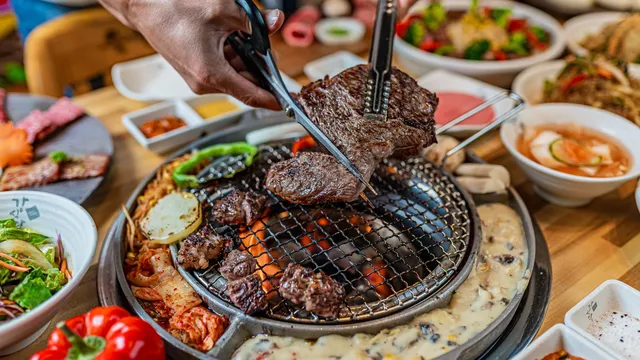
One ramyeon (instant noodle) convenience store near Jongno 3-ga Station in Seoul had a self-order kiosk for buying a packet and many seats facing the wall in 2022. Some counter-style grill restaurants in Seoul, such as Hongojib in Yeonnam-dong, seat diners at counters rather than round tables, give each diner a personal grill, and take orders and payment on tablets (2023).
How do you say one person, and what one-person options exist?
One person is “han myeong” (한 명).
For the full routine at a grill restaurant, see the Korean BBQ guide.
One gimbap shop in Namdaemun Market had a kiosk that let diners remove an ingredient they dislike when ordering (VisitKorea page updated December 2023).
Gimbap goes especially well with a noodle dish with broth such as ramyeon or udong, and many gimbap restaurants serve udong broth free of charge.
In 2025, chains cut portions for one person. Kyochon launched a “Single Series” in January 2025 with a six-piece fried chicken bucket at 7,900 won, and Domino’s Pizza, Pizza Hut and Papa Johns rolled out small pan pizzas at 5,000 to under 7,000 won. The delivery app Baemin launched a “single bowl” service without minimum order amounts, which more than one million users tried in just over two months (as of September 2025); see the delivery apps guide.
Can you eat Korean BBQ alone?
It can be difficult: in memes that rank restaurants by how hard they are for honbap (eating alone), Korean BBQ sits at the highest level, as of April 2025.
There are two ways around it:
- Pay for the extra serving. A Korean BBQ owner in Yongin, Gyeonggi-do (April 2025) designs the main menu for two or more people but welcomes any party size willing to pay for the extra portion.
- Order a single-serving menu, which some Korean BBQ restaurants offer as of September 2025.
Where do solo diners get turned away?
In September 2025, one Seoul office worker still got turned away when eating alone and once had to order two meals for himself at one restaurant; a university student was turned away at a kimchi stew place and bought ramyeon at a convenience store instead. Under the law as it stood in September 2025, a restaurant that turns away solo diners or requires a minimum two-person order faces no penalty; a Fair Trade Commission spokesperson called it a matter for the business owner’s discretion.
In about 2013, solo rejections commonly occurred at family restaurants and barbecue outlets (CNBC, 2023).
The Korea Foodservice Industry Association gives a business reason: during peak hours owners need to maximize turnover on four-person tables to offset rising costs for food, labor and rent. As of March 2025, only about 10.4% of roughly 170,000 restaurants nationwide offered single-person meals, up from 9.7% a year earlier (NICE Genie Data).
Public pushback exists. In July 2025 Yeosu city asked local restaurants, in an official notice, not to force two servings on a solo visitor and to guarantee a free choice of seat and enough time to eat, after a YouTuber who had ordered two servings said the owner told her to eat quickly. In November 2025 a handwritten sign at a restaurant listed four “options” for solo customers; most online commenters criticized it while some defended the owner’s right to set rules (Korea Times, November 2025).